
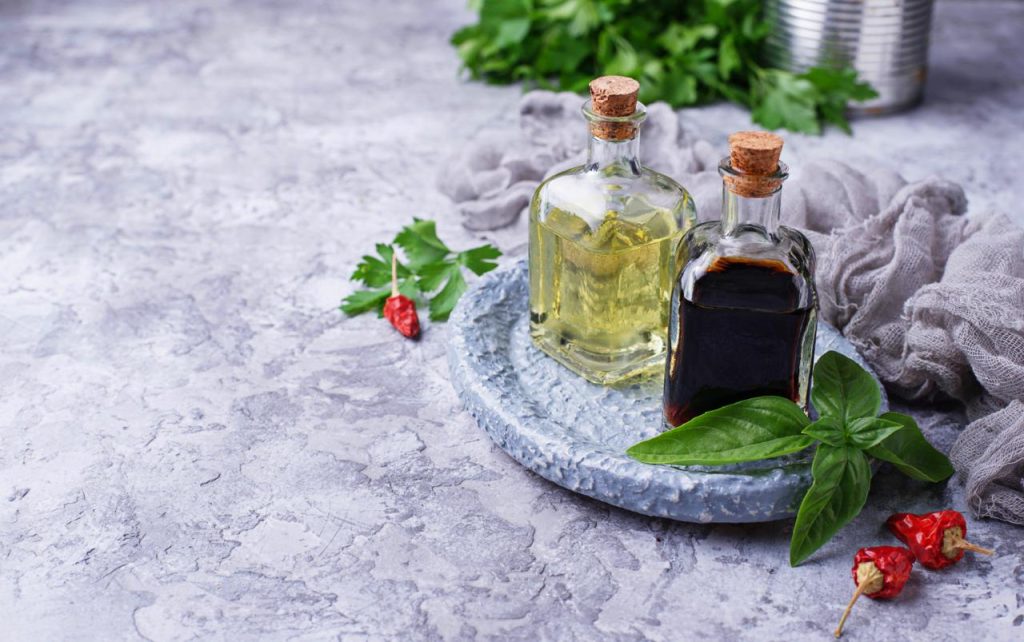
Vinegar is often introduced as one of the simplest ingredients in the kitchen, usually recognised for the sharp acidity it adds to dressings, marinades, pickles, and sauces, yet reducing vinegar to nothing more than something sour overlooks the remarkable transformation that happens before it reaches the table. Depending on what it is made from, how it is fermented, which microorganisms are involved, and whether it is aged, vinegar can carry fruity, floral, malty, woody, caramel-like, savoury, or deeply aromatic characteristics alongside its acidity.
This diversity is becoming increasingly relevant as vinegar receives renewed attention in contemporary food culture. Whole Foods Market placed “Very Vinegar” among its food and beverage trend predictions for 2026, highlighting growing interest in premium and small-batch vinegars, fruit-infused varieties, raw and unfiltered products, as well as their expanding use in home cooking, cocktails, and non-alcoholic beverages. Rather than treating vinegar simply as a pantry staple, the trend reflects a growing curiosity about vinegar as an ingredient capable of adding depth, complexity, and character to food and drinks.
For gastronomy, however, the most interesting question is not simply why vinegar is becoming popular again, but why one vinegar can taste completely different from another even when acidity is what defines them all.
Why Do Different Vinegars Taste Different?
The answer begins with the ingredient from which the vinegar is made, because vinegar can start with fruit, grains, wine, rice, malt, honey, sugarcane, or other materials that contain fermentable sugars or can first be converted into an alcoholic liquid.
A review published in Food Chemistry explains that vinegars around the world are produced from different raw materials, yeast strains, and fermentation processes, which is why varieties such as rice vinegar, black vinegar, wine vinegar, and balsamic vinegar develop their own distinctive tastes and flavours. Although acetic acid provides the characteristic sourness associated with vinegar, the final product can also contain alcohols, esters, aldehydes, ketones, and other compounds that contribute to its wider sensory profile.
An apple vinegar can therefore retain fruity characteristics connected with its original material, while a vinegar produced from rice, grapes, malt, or another source may develop a completely different aromatic profile, even though each ultimately contains the acetic acid responsible for its recognisable sour taste. This is what makes vinegar particularly interesting from a gastronomic perspective, because acidity is only one part of what we experience when tasting it.
How Is Vinegar Made Through Fermentation?
Vinegar production generally involves two connected biological transformations, beginning with alcoholic fermentation and continuing with acetic acid fermentation.
During the first stage, yeast converts fermentable sugars into ethanol while also contributing compounds that begin to shape aroma and flavour. During the following stage, acetic acid bacteria transform ethanol into acetic acid, creating the acidity that defines vinegar while additional chemical and microbial processes continue to influence its sensory characteristics. Reviews of vinegar production describe this relationship between the raw material, starter cultures, fermentation system, and operating conditions as fundamental to the characteristics of the final product.
Research focusing specifically on fruit vinegar has shown that fermentation can generate compounds such as esters, aldehydes, higher alcohols, organic acids, and other volatile substances, all of which contribute to the aroma and taste that develop alongside acetic acid. This means that fermentation does not simply convert a sweet ingredient into something sour, because it gradually builds a new flavour system from the original ingredient.
In simple terms, the process might begin with fruit, grain, or another local ingredient, continue through fermentation as microorganisms transform its chemical composition, and eventually produce a vinegar whose character still carries traces of where it began. For chefs, this creates an intriguing possibility because choosing vinegar can become almost as deliberate as choosing the original ingredient itself.
Is Vinegar More Than Acetic Acid?
Chemically, acetic acid is essential to vinegar, but gastronomically, vinegar is considerably more complex. If acidity were the only thing that mattered, different vinegars would provide almost the same experience as long as their acid concentration was similar, yet anyone who compares rice vinegar, apple cider vinegar, wine vinegar, balsamic vinegar, or aged cereal vinegar can recognise that their aromas, sweetness, intensity, mouthfeel, and aftertaste may differ considerably.
Research into traditional Shanxi aged vinegar illustrates just how complex this can become. Scientists analysing its aroma identified dozens of aroma-active regions and compounds, while comparing vinegar before and after aging showed that the proportions of important aromatic compounds changed during maturation, including increases in several compounds associated with the Maillard reaction.
More recent research published in Food Chemistry: X has continued to examine how aroma-active compounds develop across different stages of vinegar production, including raw-material preparation, alcoholic fermentation, acetic acid fermentation, processing, and aging, which demonstrates that the flavour experienced in the final vinegar can be built progressively across the entire production journey.
A vinegar can therefore be sharp without being simple, because behind the acidity may be layers of fruit, fermentation aromas, esters, roasted notes, sweetness, wood, or other characteristics created or modified throughout production.
Can Different Vinegars Create Different Sensory Experiences?
This is where vinegar becomes especially relevant to modern gastronomy, because differences in flavour can be transformed into a sensory experience rather than treated simply as differences between condiments.
Imagine beginning with several vinegars made from different raw materials, such as apple, rice, grape, coconut sap, or another local ingredient, and tasting them side by side before they are incorporated into a dish. The acidity may connect them, yet the experience can reveal very different aromas, levels of sweetness, intensity, mouthfeel, complexity, and aftertaste. The tasting could then go one step further by comparing how each vinegar behaves when paired with food.
A bright fruit vinegar might sharpen sweetness in fruit or dessert, while another vinegar with deeper fermented or aged characteristics could complement roasted ingredients, richer sauces, or savoury dishes. Instead of using acidity simply to make something taste more sour, the chef begins using vinegar to create contrast, balance sweetness, lift aromas, or introduce another layer of flavour.
This is also one reason vinegar has started appearing beyond traditional dressings and pickles. Whole Foods Market’s 2026 trend forecast points to its growing presence in beverages, cocktails, mocktails, condiments, and other formats, suggesting that consumers are increasingly encountering vinegar as a flavour-building ingredient rather than merely a source of acidity.
Once vinegar is approached this way, a tasting can become a journey from ingredient to fermentation, from fermentation to flavour, and from flavour to pairing, allowing people to understand acidity through direct sensory comparison.
How Do Raw Materials, Fermentation and Aging Change Vinegar Flavour?
One of the most valuable lessons vinegar offers is that flavour does not appear at one single moment, because it develops through several connected stages in which the original ingredient, microorganisms, fermentation conditions, processing methods, and time can all influence the final result.
The raw material provides the starting composition, including sugars, organic acids, aromatic compounds, and other components, while yeast and acetic acid bacteria transform those materials as fermentation progresses. The fermentation method and environmental conditions can influence microbial activity, and additional maturation or aging may continue modifying aroma compounds even after the primary fermentation has finished.
This makes vinegar an excellent example of flavour development through fermentation, because changing the starting material or production conditions can create a noticeably different sensory expression.
Rather than asking only, “How acidic is this vinegar?”, gastronomy encourages more detailed questions.
- What was the original ingredient?
- Which aromas survived fermentation?
- Which new compounds developed?
- Was the vinegar aged?
- How does its acidity interact with sweetness or umami?
- What happens when it is paired with another ingredient?
These questions turn something as familiar as vinegar into a subject for culinary exploration.
What Potential Does Indonesia Have for Local Vinegar?
Indonesia creates an especially interesting context for vinegar because its biodiversity provides an enormous range of possible fermentation materials, including fruits, grains, coconuts, and different varieties of palm sap that already have strong relationships with regional food traditions.
Research conducted in Bali, for example, has examined vinegar produced from the sap of Borassus flabellifer, commonly known as lontar or palmyra palm, studying how yeast addition and fermentation time influence the characteristics of the resulting vinegar. The study provides a local example of how a familiar natural resource can be explored through fermentation rather than being limited to its more conventional culinary applications. The idea becomes even more interesting when considered beyond one ingredient, because a gastronomic approach to Indonesian vinegar could explore how different local materials create different expressions of acidity and aroma.
Coconut or palm sap, tropical fruits, and other locally available ingredients could potentially become starting points for exploring how fermentation communicates the character of a raw material, although each product would require appropriate food-safety controls, fermentation knowledge, and technical development before being considered a finished culinary product. The objective would not necessarily be to create unusual vinegar simply because the ingredient is available. A more meaningful approach would be to understand what each ingredient contributes, how fermentation changes it, and whether the result expresses a flavour worth experiencing.
How Can Vinegar Become a Gastronomic Experience?
A gastronomic experience does not always require an elaborate dish, because sometimes the most memorable experience begins by encouraging people to notice differences they previously overlooked.
Vinegar lends itself particularly well to this approach.
Guests could first taste the original ingredient before experiencing the vinegar produced from it, which would allow them to recognise what has survived and what has changed during fermentation. They could then compare vinegars made from different ingredients or different production methods, before finally exploring how each one changes when combined with food.
A guided experience might therefore move through four connected stages:
Raw ingredient → Fermentation → Vinegar → Food pairing
The objective would not simply be to identify which vinegar tastes best, because gastronomy can encourage diners to recognise why the products taste different and how those differences influence the experience of another ingredient.
A fruity vinegar may make one pairing feel brighter, while a sweeter or aged vinegar may create greater depth in another dish, and a more delicate vinegar may support ingredients that would otherwise be overwhelmed by stronger acidity. In this context, vinegar becomes a tool for understanding taste balance, aroma, fermentation, food pairing, and sensory perception at the same time.
What Does Vinegar Teach Us About Gastronomy Beyond Cooking?
Vinegar also provides a useful example of why studying gastronomy means going beyond learning recipes and cooking techniques.
A cook might learn that vinegar can be added to a sauce to provide acidity, while a gastronomic approach asks additional questions about where that acidity comes from, why different vinegars behave differently, how microorganisms created the product, how the original ingredient shaped its flavour, and which vinegar would create the most appropriate sensory balance within a particular dish.
The distinction is important because modern culinary professionals increasingly work at the intersection of cooking, food science, sensory understanding, cultural knowledge, sustainability, creativity, and product development.
Understanding vinegar therefore involves several disciplines at once. Fermentation explains how the product is created, food science helps explain its transformation, sensory analysis helps identify its flavour characteristics, culinary technique determines how it is used, while culture and geography can explain why certain ingredients and types of vinegar developed in particular places.
This wider perspective is also relevant to gastronomy education and culinary education in Bali, where students have the opportunity to study food within an environment shaped by Indonesian ingredients, culinary heritage, agriculture, hospitality, tourism, and contemporary restaurant culture.
At PIB College, the Culinary Arts program combines practical culinary learning with areas such as Food Product Knowledge & Culinary Principles, Indonesian Culinary Heritage, Food & Beverage Technology, international cuisine, industry exposure, and Culinary Innovation Projects, providing a framework in which students can learn not only how ingredients are prepared, but also how they behave, transform, and create new culinary possibilities.
Vinegar may appear to be a small ingredient within this larger field, yet it demonstrates precisely why understanding food can become much deeper than simply following a recipe, because a single drop can carry the results of raw materials, microorganisms, fermentation, chemistry, time, culture, and culinary intention.
From Sourness to a World of Flavour
The renewed interest in vinegar is ultimately interesting because it changes the way we look at something that has been sitting in kitchens for generations.
Vinegar does provide acidity, but acidity is only the beginning of its story, because different raw materials, microbial communities, fermentation methods, and aging processes can create products with dramatically different sensory identities. Scientific research continues to reveal how complex those flavour systems can become, while contemporary chefs and consumers are increasingly exploring vinegar in beverages, sauces, pairings, and other creative applications.
For Indonesia, the possibilities are particularly compelling because the country’s diverse local ingredients offer an opportunity to explore vinegar not only as a condiment, but also as an expression of ingredients, fermentation knowledge, regional identity, and culinary innovation.
The next time vinegar tastes sharp, fruity, sweet, aromatic, earthy, or unexpectedly complex, perhaps the most interesting question is therefore not simply “How sour is it?”
The better question is “What happened during fermentation to make it taste this way?” That is where vinegar stops being merely sour and begins to become gastronomy.
Author: Stephanie Gunawan
References
Ho, C. W., Lazim, A. M., Fazry, S., Zaki, U. K. H. H., & Lim, S. J. (2017). Varieties, production, composition and health benefits of vinegars: A review. Food Chemistry, 221, 1621–1630.
Román-Camacho, J. J. et al. (2023). Latest Trends in Industrial Vinegar Production and the Role of Acetic Acid Bacteria: Classification, Metabolism, and Applications: A Comprehensive Review. Foods, 12(19), 3705.
The Metabolic Pathways of Yeast and Acetic Acid Bacteria During Fruit Vinegar Fermentation and Their Influence on Flavor Development. (2025). Microorganisms, 13(3), 477.
Xiao, Z. et al. (2016). Aroma Constituents in Shanxi Aged Vinegar before and after Aging. Journal of Agricultural and Food Chemistry, 64(40), 7597–7605.
Identification of aroma active compounds in Shanxi aged vinegar and tracing the source in the entire production process. (2024). Food Chemistry: X, 24, 101918.
Whole Foods Market. (2026). The Next Big Things: Our Top Food Trend Predictions for 2026.
Solo, A., Putra, G. P. G., & Suparthana, I. P. The Effect of Addition of Bread Yeast and Time of Fermentation on the Characteristics of Vinegar from Palm Sap (Borassus flabellifer Linn). Scientific Journal of Food Technology.