
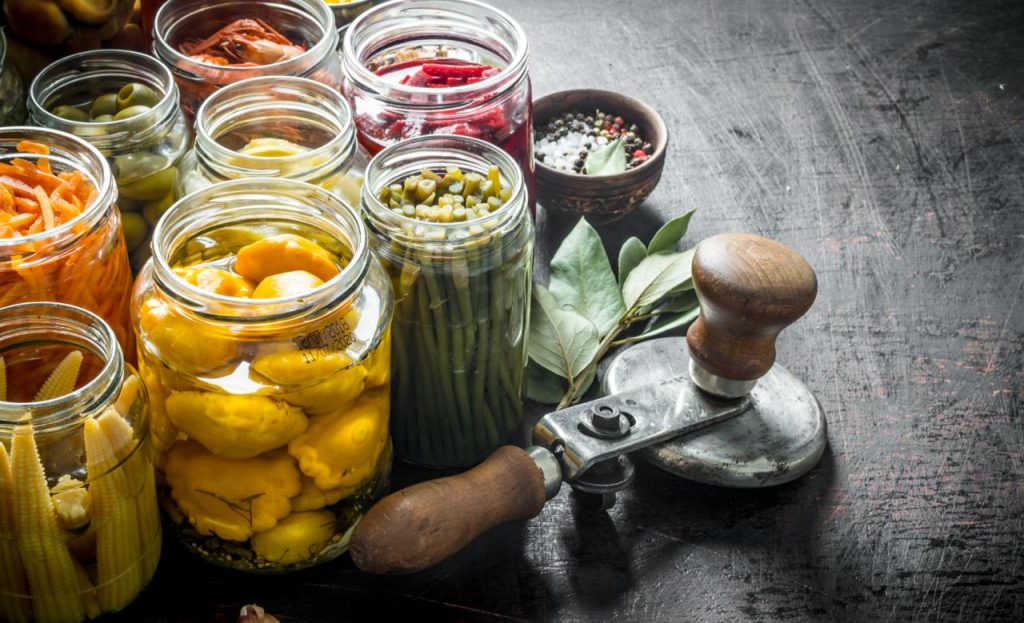
Fermentation is once again gaining attention in modern gastronomy, as chefs explore sourdough, koji, fermented sauces, cultured ingredients, pickles, and other preservation techniques to create flavours that are deeper, more complex, and sometimes difficult to achieve through conventional cooking alone. The renewed interest is not simply about bringing an old technique back into fashion, because fermentation also gives chefs a different way to understand ingredients by allowing microorganisms, environmental conditions, and time to participate in the development of flavour.
The MICHELIN Guide included preserved and fermented flavours among the culinary trends shaping dining in 2026, reflecting a wider interest in processes that allow flavour to develop gradually rather than relying entirely on what happens when an ingredient reaches the stove.
Although fermentation may feel increasingly contemporary in professional kitchens, the technique itself is far from new, particularly in Indonesia, where fermented foods such as tempe, tape, oncom, tauco, kecap, terasi, dadih, and tempoyak have been part of local culinary traditions for generations.
What makes this especially interesting for modern gastronomy is not simply the fact that Indonesia has a long history of fermentation, but that these traditional foods already demonstrate something chefs and food researchers are increasingly interested in today: flavour can be shaped by the interaction between ingredients, microorganisms, technique, environment, and time.
Why Do Fermented Foods Taste Different?
To understand why fermentation has become so interesting in gastronomy, it helps to begin with a simple question: why can fermented foods develop flavours that are so different from the ingredients they started with?
Fermentation occurs when microorganisms interact with components within food and create biochemical changes that can influence flavour, aroma, texture, acidity, and other sensory characteristics. An ingredient therefore does not simply last longer after fermentation, because it can gradually develop characteristics that were not present in the same form before the process began.
A review published in Food Chemistry: X explains that microorganisms involved in food fermentation can produce different and unique flavours, while the final flavour profile is influenced by factors such as the raw material, fermentation technology, dominant microorganisms, and compounds that accumulate throughout the process.
This means that flavour development during fermentation does not depend on one variable alone, because the ingredient being used, the microorganisms involved, temperature, environment, technique, and fermentation time can all contribute to the final sensory result. When one of these conditions changes, the aroma, acidity, sweetness, savouriness, texture, or overall intensity of the fermented product can change with it.
A soybean provides a familiar example because its sensory characteristics before fermentation are very different from those of tempe. Once the soybean has been prepared and fermented with Rhizopus fungi, its structure changes as the beans become bound together, while its aroma, texture, flavour, and culinary possibilities also develop into something distinct from the original ingredient.
From a gastronomic perspective, this transformation is what makes fermentation particularly fascinating, because chefs are not only working with ingredients as they are, but also learning how biological processes can influence what those ingredients eventually become.
Indonesia Has Been Exploring Fermentation for Generations
Tempe is perhaps the most internationally recognisable example of Indonesian fermented food, although its significance extends far beyond its current popularity as a plant-based protein.
A review published in the International Journal of Gastronomy and Food Science identifies tempe as a traditional fermented product originating in Indonesia and describes its long-standing connection with Javanese food culture. The research also notes that although soybeans are the ingredient most commonly associated with tempe, different raw materials have historically been used in Indonesia, including other legumes and food-processing by-products.
This makes tempe an important example of how traditional Indonesian fermentation brings together food science, local ingredients, practical knowledge, and culinary culture, even though the communities that developed these foods long before modern microbiology did not necessarily describe the process using the scientific vocabulary we use today.
Tempe, however, represents only one part of a much wider fermentation landscape.
Cassava and sticky rice can be transformed into tape, soybeans can become tauco and kecap, buffalo milk can become dadih, durian can become tempoyak, shrimp can be transformed into terasi, while materials left from other food-production processes can become oncom.
Although these foods begin with very different ingredients and are produced through different processes, they demonstrate the same broader principle in which microorganisms and time transform raw materials into foods with new sensory characteristics. The results can range from sweet and mildly acidic to savoury, earthy, creamy, pungent, aromatic, or deeply rich in umami, which means there is no single flavour that defines Indonesian fermentation.
Instead, Indonesia has developed a diverse collection of fermented foods whose characteristics reflect differences in ingredients, technique, environment, regional traditions, and the ways communities learned to work with the materials available around them.
Can Fermentation Carry a Sense of Place?
One concept that helps explain why fermented foods can develop such distinctive characteristics is known as microbial terroir.
Terroir is most commonly discussed in relation to products such as wine, where geography, soil, climate, and environmental conditions can contribute to the character of what is eventually produced. Fermented foods introduce another important element into this relationship because microbial communities can also influence how flavour develops.
A 2022 study published in the International Journal of Gastronomy and Food Science describes microbial terroir as the distinctive microbial diversity found in fermented foods that can influence their flavour profile. The study found that different fermented products can develop distinctive microbial communities, while factors such as the main ingredient also influence how fermentation develops.
This creates a more interesting way to think about flavour because the final result is not determined only by a written recipe. Instead, flavour can emerge from the interaction between the ingredient itself, microbial activity, preparation methods, surrounding conditions, and time.
For gastronomy, this connection matters because food can carry information about how it was made and the environment from which it emerged. A fermented product can therefore be experienced not simply through taste, but also through its relationship with place, process, community, and culinary tradition.
How Can Fermentation Become a Gastronomic Experience?
Once flavour is understood as the result of transformation, fermentation begins to offer something beyond food production because the transformation itself can become part of the gastronomic experience.
Imagine tasting an ingredient before fermentation and then experiencing the same ingredient after microorganisms and time have begun to change it. The comparison could continue across different stages of fermentation, allowing diners to notice how acidity develops, how aroma changes, how texture becomes softer or firmer, or how savoury and umami characteristics become increasingly noticeable.
Instead of presenting only the final product, a gastronomic experience can therefore introduce people to the journey between the original ingredient and what it eventually becomes, helping them connect what they taste with the biological and culinary processes that created those changes.
This kind of experience can transform food tasting into a form of exploration because diners are encouraged to recognise the differences between stages, understand why those differences occur, and discover how variables such as fermentation time, microbial culture, ingredient choice, temperature, or technique can influence the final sensory profile.
Professional fermentation still requires careful attention to food safety, hygiene, process control, and consistency, so variation should not be confused with an uncontrolled process. However, when fermentation is properly managed and understood, differences in flavour can become something chefs intentionally explore rather than something that needs to be removed.
The dining experience then moves beyond the question of whether something simply tastes good and begins to ask a much more interesting question: why does it taste this way?
That shift is particularly important in gastronomy because it connects sensory experience with food science, technique, culture, time, and place, allowing people to understand not only what they are eating but also how the food became what it is.
How Can Traditional Indonesian Fermentation Inspire Modern Gastronomy?
Oncom offers an interesting example of how traditional Indonesian fermentation can remain relevant to contemporary discussions about food innovation and sustainable gastronomy.
Traditionally associated with Java, oncom is produced by using fermentation to transform materials from food processing into an edible product with its own distinctive flavour, texture, and culinary identity. The technique reflects a practical understanding of how fermentation can create value from ingredients that might otherwise receive far less attention.
In 2024, researchers publishing in Nature Microbiology studied Neurospora intermedia, a fungus associated with the production of red oncom, and explored its ability to grow on several agricultural and food-processing by-products, including fruit and vegetable pomace as well as residues produced during plant-based milk processing.
The study showed that the fermentation process did more than simply make use of these materials because it also altered their chemical and sensory characteristics. Experiments involving soybean pulp demonstrated changes in aroma-related compounds and the release of glutamate associated with umami, while the broader findings showed how a microorganism connected with a traditional Indonesian food could offer new possibilities for transforming food by-products.
This creates a valuable connection between Indonesian culinary heritage and contemporary food innovation because an existing traditional practice can help inspire new ways of thinking about waste reduction, ingredient utilisation, flavour development, and more sustainable food systems.
Innovation in gastronomy therefore does not always have to begin by inventing a completely new technique. In some cases, it can begin by studying traditional knowledge more closely, understanding why a process works, identifying what happens during the transformation, and exploring how those principles might be applied thoughtfully within a different culinary context.
Indonesia’s wide range of traditional fermented foods offers considerable potential for this kind of exploration because these foods collectively represent generations of knowledge about ingredients, microorganisms, preservation, flavour, resourcefulness, and cultural identity.
What Is Gastronomy Beyond Cooking?
Fermentation also provides a useful example of why gastronomy reaches further than simply learning how to prepare food.
Learning to cook often begins with practical questions about choosing ingredients, applying the right technique, controlling temperature, managing texture, and producing a desirable flavour, while gastronomy expands the discussion by asking why those changes happen, where particular techniques came from, how science influences the result, and what social or cultural meaning a food carries.
A culinary professional might learn how to prepare tempe correctly, for example, while a gastronomic approach can continue by examining which microorganisms are responsible for the fermentation, how the process changes flavour and texture, why tempe developed within Indonesian food culture, how different raw materials influence the result, and how the principles behind the technique might inspire future culinary innovation.
Food science, sensory experience, sustainability, culinary heritage, and creativity therefore become closely connected within gastronomy education because understanding food requires more than memorising recipes or mastering kitchen techniques. It also requires curiosity about ingredients, processes, people, environments, and the reasons particular culinary traditions developed in the first place.
For students exploring culinary education in Bali, this perspective becomes especially relevant because Bali places them within an environment where Indonesian culinary heritage, agriculture, tourism, hospitality, and contemporary dining exist alongside one another, creating opportunities to understand food not only inside the kitchen but also within the wider system surrounding it.
At PIB College, this wider perspective can be seen within Culinary Arts learning areas that include Food Product Knowledge & Culinary Principles, Healthy Food & Nutrition, Indonesian Culinary Heritage, Food & Beverage Technology, international cuisine, industry exposure, and culinary innovation projects. Together, these areas allow students to develop practical culinary skills while also exploring how ingredients behave, how food traditions develop, and how technical knowledge can be connected with creativity and innovation.
This is ultimately what distinguishes gastronomy from simply learning how to cook because a recipe may explain how something should be made, while gastronomy encourages future culinary professionals to understand why it works, where the knowledge came from, and what other possibilities can emerge from it.
Looking Back to Understand the Future of Food
The renewed global interest in fermentation shows that the future of gastronomy does not always begin with something completely unfamiliar because some of the most relevant ideas can emerge when traditional knowledge is examined again through new scientific, cultural, and creative perspectives.
Indonesia provides an especially rich environment for this exploration because traditional Indonesian fermentation demonstrates how ingredients can be transformed through microorganisms and time, while the country’s fermented foods also reveal how flavour can become connected with local resources, cultural identity, preservation, sustainability, and sensory experience.
Modern food science gives researchers and culinary professionals increasingly detailed ways to understand what is happening during these transformations, while gastronomy provides a broader framework for exploring why they matter and how they can become part of a meaningful food experience.
Foods such as tempe, tape, oncom, tauco, kecap, dadih, terasi, and tempoyak can therefore be understood not only as products inherited from the past, but also as examples of culinary knowledge that can continue to inspire new approaches to flavour development, sustainable gastronomy, culinary innovation, and food experiences.
The world may be rediscovering fermentation, but Indonesia has been living with it for generations, and that is precisely why traditional Indonesian fermentation remains so relevant today. Its importance lies not only in preserving culinary heritage, but also in demonstrating how science, culture, flavour, sustainability, place, and creativity can come together as an ingredient changes over time.
For the next generation of culinary professionals, understanding that transformation may ultimately be just as important as knowing how to prepare the final dish, because the future of gastronomy will be shaped not only by people who know how to create good food, but also by those who understand why food becomes what it is and what possibilities might come next.
Author: Stephanie Gunawan
References
MICHELIN Guide. (2026). 7 Big Food Trends of 2026, According to Our MICHELIN Guide Inspectors.
Romulo, A., & Surya, R. (2021). Tempe: A traditional fermented food of Indonesia and its health benefits. International Journal of Gastronomy and Food Science, 26, 100413.
Zhang, K., Zhang, T., Guo, R., Ye, Q., Zhao, H., & Huang, X. (2023). The regulation of key flavor of traditional fermented food by microbial metabolism: A review. Food Chemistry: X, 19, 100871.
Investigating the microbial terroir of fermented foods produced in a professional kitchen. (2022). International Journal of Gastronomy and Food Science, 28, 100509.
Maini Rekdal, V. et al. (2024). Neurospora intermedia from a traditional fermented food enables waste-to-food conversion. Nature Microbiology, 9, 2666–2683.