
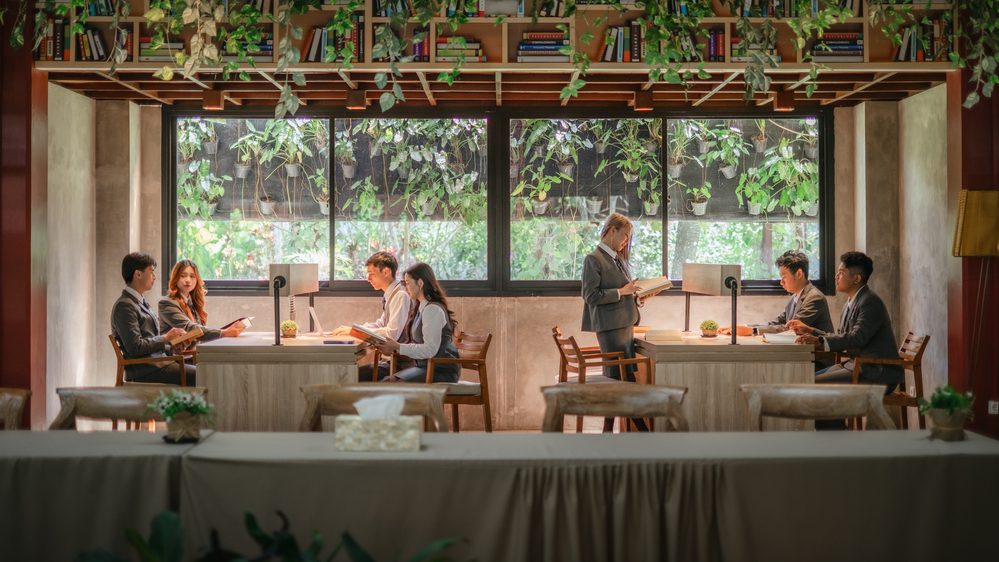
Entering higher education marks one of the most significant transitions in a young person’s life. For the first time, daily structure is no longer shaped by family or school. Schedules, small decisions, and the management of time and emotions now rest largely on the student’s own shoulders. At this stage, learning independently is not only about academics, but about readiness for life.
This article explores what students truly need during their first year of university, viewed through an empathetic understanding of the adaptation process they experience.
Early Challenges in the First Year of University
The challenges faced by first-year students are often subtle and not immediately visible. Academically, many are capable, yet emotionally and in terms of daily rhythm, they are still adjusting. Changes in routine, increased personal responsibility, and the need to build new social connections in an unfamiliar environment all occur at once. At the same time, students are learning to manage expectations, both their own and those around them.
Without the right environment, this phase can feel overwhelming. This is why the first year is not simply about whether a student can keep up academically, but about how well they are supported in adapting in a healthy and sustainable way.
The Importance of Structure Without Pressure
Learning independently does not mean being left entirely without direction. In fact, during the early stages of university life, students need clear structure that is not overly rigid. A well-designed academic rhythm, accessible guidance, and realistic expectations help students understand boundaries, manage their time, and gradually build discipline.
When structure and freedom are balanced, students are able to learn decision-making responsibly. They gain confidence through experience, rather than feeling pressured or constantly monitored.
The Role of Community in the Adaptation Process
Beyond structure, community plays a crucial role during this transition. A supportive social environment provides a sense of belonging and reassurance, allowing students to share experiences and learn from one another. Feeling connected helps students navigate uncertainty and reduces the sense of isolation that can occur during the first year.
The relationships formed in this period often become an important foundation for both academic engagement and personal growth, shaping how students interact, collaborate, and develop confidence over time.
A Life Rhythm that Supports Growth
Students learning independence for the first time also need a daily rhythm that feels human and balanced. Environments that are overly dense, noisy, or intensely competitive can make adaptation more difficult. A calmer, more structured rhythm allows students to maintain physical and mental well-being while staying focused on their studies.
When students have space to reflect, rest, and adjust, independence develops more naturally and sustainably, without leading to burnout or unnecessary stress.
How PIB College Builds a Guided Ecosystem
Within this context, PIB College designs its learning ecosystem to be structured yet non-pressuring. Academic systems, campus environment, and community culture are intentionally shaped to help students transition toward independence in a gradual and supported way.
Rather than accelerating the process unnaturally, this approach ensures that students begin their studies with clear guidance, develop independence with appropriate support, and grow within a safe and supportive environment. The campus functions not only as a place of learning, but as a living environment that supports personal maturation alongside academic development.
Learning independently for the first time is not a simple process. It requires an environment that understands that independence does not grow from pressure, but from the right balance of structure, community, and daily rhythm.
This is where the role of a campus becomes essential not merely as an educational institution, but as an ecosystem that supports students through one of the most important transitions of their lives with clarity, care, and purpose.
Author: Stephanie Gunawan